

Rising Concerns Over Hantavirus: Here’s How to Protect Yourself
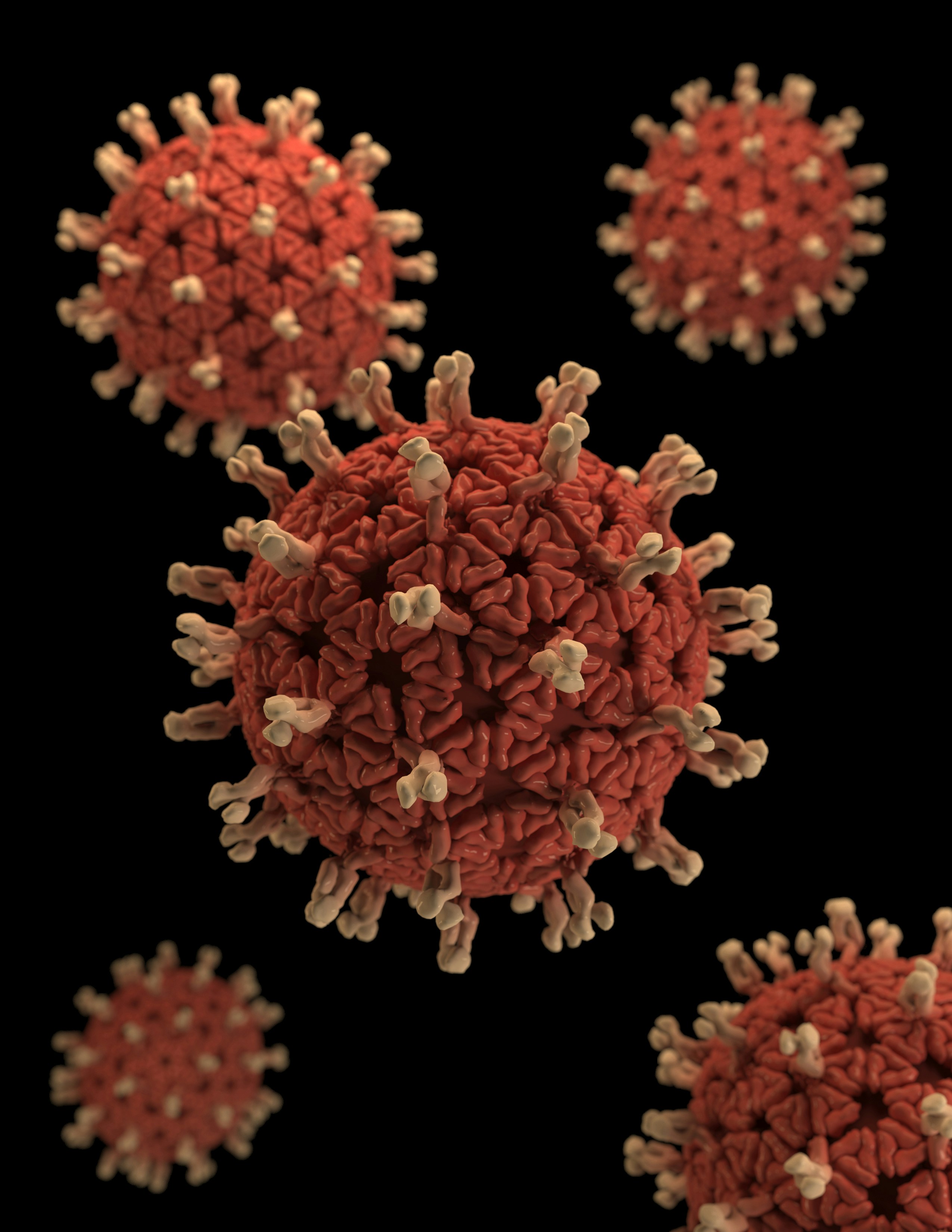
Recently, a hantavirus outbreak aboard a cruise ship in the Atlantic Ocean resulted in three deaths, raising public concern and many questions: What exactly is hantavirus? Is it related to the plague? Could the rats commonly seen on the streets and subways of New York put people at risk for this deadly infection?
Andes Virus: Human to Human Transmission is Uncommon
Dr. Dashi Bao, Internal Medicine, explains that this outbreak is different from the plague that many people are familiar with. The plague is caused by bacteria and is mainly spread through fleas between infected rodents and humans, or occasionally through respiratory droplets between people.
The virus involved in this outbreak is the Andes virus, a special strain within the hantavirus family that is primarily found in South America. Most hantaviruses are transmitted to humans only through contact with infected rodent urine, droppings, or saliva. Unlike influenza or COVID-19, hantaviruses generally do not spread easily through the air.
However, the Andes virus is currently the only known hantavirus strain with documented human to human transmission. Even so, such transmission remains extremely rare and usually requires prolonged close contact in enclosed spaces, such as between family members living together or healthcare workers caring for infected patients. Sexual contact has also been reported as a possible route of transmission.
Public health officials continue to emphasize that based on current knowledge, the overall threat of the Andes virus to the general public remains low.
Who is at Higher Risk?
Dr. Bao notes that although the overall risk to the public is low, two groups may face a relatively higher risk of infection and should take preventive measures seriously.
1. People Frequently Exposed to Rodents or Rodent Waste
This includes workers in agriculture, livestock farming, and construction, as well as people who regularly clean barns, garages, sheds, basements, or other long unused spaces.
According to the CDC, these environments can accumulate rodent droppings and nesting materials. Improper cleaning methods, such as sweeping or vacuuming, may stir virus containing particles into the air, where they can be inhaled and cause infection.
2. People in Prolonged Close Contact with Infected Individuals
Higher risk individuals also include those who spend extended periods caring for infected patients in poorly ventilated environments. In the cruise ship outbreak, two of the deaths involved a married couple, and a physician onboard also developed symptoms and was later evacuated.
For most New York residents, everyday activities such as riding the subway or passing trash bags on the street pose an low risk of hantavirus infection.
However, while hantavirus risk in New York remains low, rodents can still carry many other bacteria and viruses, including E. coli and Salmonella, so maintaining good hygiene and caution is still important.
How Can We Protect Ourselves?
Dr. Bao emphasizes that proper cleaning practices are essential whenever dealing with environments where rodents may be present.
If rodent droppings are found, never sweep or vacuum them directly. Doing so can release virus containing particles into the air. Both the CDC and infectious disease experts recommend soaking the droppings and surrounding area with diluted bleach solution first, then wiping the area clean using wet paper towels or a damp mop, followed by thorough hand washing.
Additional preventive measures include:
* Wearing a properly fitted N95 mask and gloves while cleaning rodent affected areas
* Keeping indoor spaces well ventilated
* Staying up to date on influenza and other recommended vaccinations to help reduce the risk of secondary infections
Seek Medical Attention If You Develop These Symptoms
Early symptoms of hantavirus infection can resemble the flu or COVID-19, including:
* Fever
* Muscle aches
* Headache
* Fatigue
If someone has recently been exposed to environments with rodent activity and later develops these symptoms, especially shortness of breath or chest tightness, they should seek medical care immediately and inform their doctor about possible rodent exposure history.
The mortality rate of hantavirus infection is estimated to be around 35% to 40%, making early detection and diagnosis especially important.
Rodent control is not a problem that can be solved overnight. However, taking preventive measures can not only reduce unnecessary fear, but also significantly lower real risk. Understanding the facts is more effective than panic. From environmental management to proper cleaning methods, every step plays an important role in protecting yourself and your family.
Click here to read the original article from SinoVision